Three Numbers That Will Decide AVGO This Earnings Week
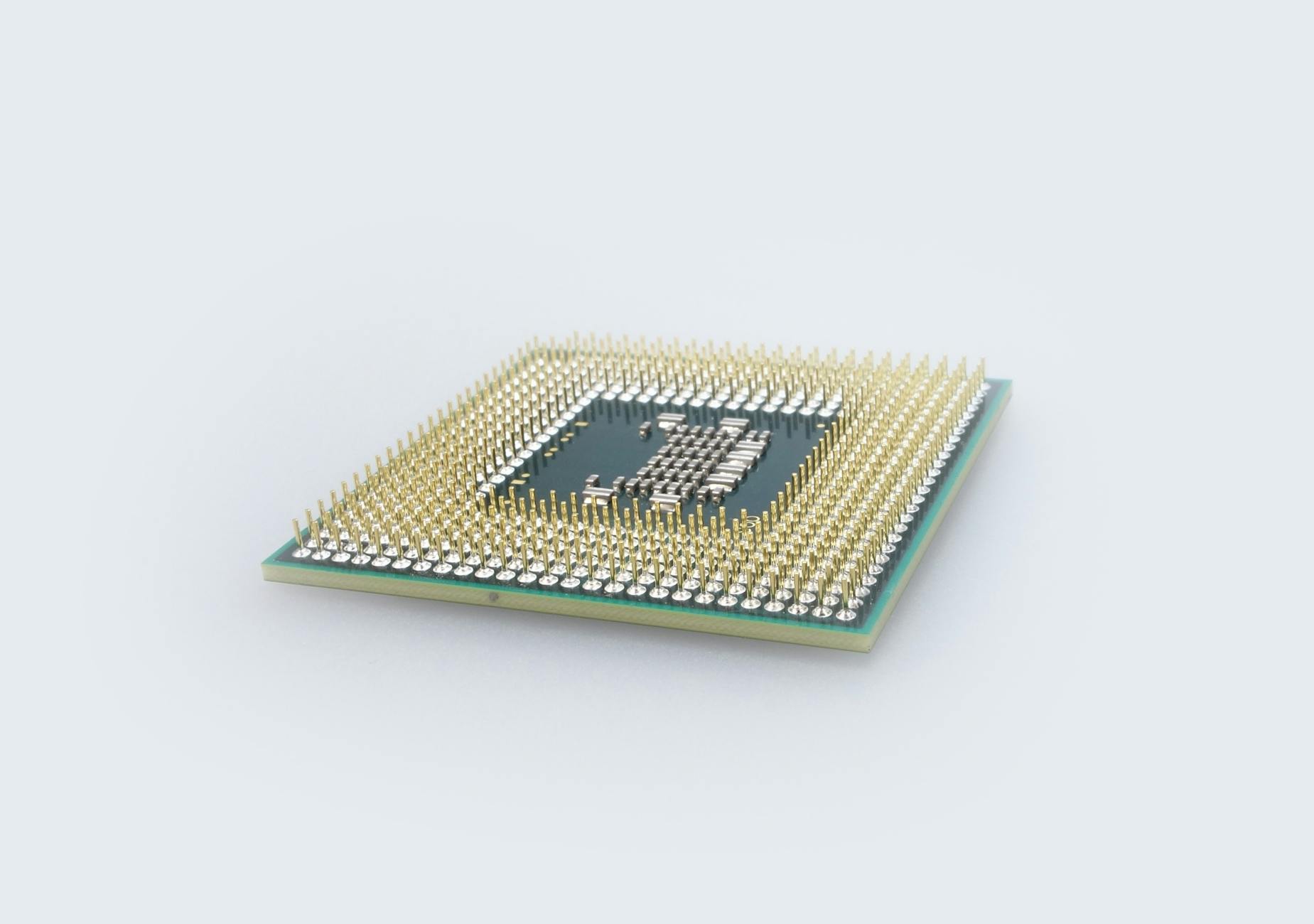
Broadcom Q3 2026 earnings preview: AI chip revenue, VMware margins, guidance tone, and a defined-risk options strategy for elevated IV.
The Setup: A Stock on a Thin Line
AVGO earnings Q3 2026 arrive against one of the messier macro backdrops of the year. Oil has surged past $94 a barrel following U.S. military strikes in the Strait of Hormuz. The Nasdaq is slumping. Risk appetite is visibly contracting across the tape. And yet Broadcom closed the last session at 369.6, down just 0.2% — a surface calm that deserves scrutiny.
At 369.6, the stock is sitting precisely on its 200-day moving average. Not coincidence. This is the level where longer-term holders tend to reassess, and right now they are doing exactly that. The 50-day average, higher up at 384.8, is the ceiling that needs reclaiming for the trend to look constructive again. Volume on the last session came in at 12.9 million shares — roughly 0.7x the 20-day average of 19.6 million. Below-average volume during a broad selloff is not a bearish signal; it suggests the decline was macro-driven rather than stock-specific distribution. Sellers are not rushing.
The 45-session structure gives clearer context: support near 350.1, resistance near 432.7. The stock has been compressing within that corridor — the kind of range tightening that tends to resolve with force on a binary catalyst. Earnings is that catalyst.
AVGO Earnings Q3 2026: The Three Metrics That Actually Matter
Three numbers will drive the initial reaction, and none of them is headline EPS. Traders who anchor to the wrong line items often learn a painful lesson — a reported beat can still produce a sharp selloff if the forward story disappoints. That is precisely how a beat-and-raise can still sink a stock, and semiconductor names are not immune.
AI custom chip revenue. This is the number the market is paying up for. Broadcom has multi-year agreements to develop custom AI accelerators for Apple and Google — both want credible alternatives to Nvidia's merchant silicon. The critical question for Q3 is whether that revenue line is accelerating or beginning to plateau. Analysts broadly expect AI chip revenue to account for roughly a third of the semiconductor segment. A run-rate figure that implies annualized momentum above prior guidance would confirm the hyperscaler custom-chip thesis is intact. Any language hinting at a slower-than-expected ramp in Apple's or Google's order cadence is the sharpest single risk to the bull case — and the concern the market is quietly pricing in.
VMware integration margins. Broadcom acquired VMware in late 2023 and has since been converting its installed base to subscription licensing. Painful for customers; margin-accretive for Broadcom if executed cleanly. The infrastructure software segment needs to show that integration cost drag is moderating. This matters at a moment when the sector is already watching software crushing chips by a record margin. VMware operating margins moving toward the 60%-plus range that management has pointed investors toward would validate the narrative. Stagnation raises the harder question of whether integration costs are stickier than the model assumes.
Forward guidance tone. More than any single quarter's reported figures, what management communicates about Q4 and fiscal 2027 will shape the stock's multi-week direction. A confident raise — or even a maintained outlook — paired with specific color on hyperscaler AI spending intentions would likely be enough to push AVGO through 384.8, the level it needs to reclaim. Vague hedges around macro uncertainty or customer order timing are the phrases that tend to produce gap-down opens regardless of how clean the reported beat looks.
Bull and Bear Cases, Sized Honestly
The bull case does not require a perfect quarter. It requires AI chip revenue to show momentum, VMware margins to show direction, and guidance to avoid explicit caution. If all three land constructively, 384.8 is the first level to watch on a sustained close. A move that holds above that opens the path toward the 432.7 resistance at the upper end of the range. The 52-week high sits at 495.0 — the stock is currently 25.3% below it, which gives a recovery thesis room to build without requiring heroic assumptions.
The bear case is more concentrated: guidance disappointment on AI chip timing. Custom chip programs carry long development cycles, and any language suggesting Apple or Google is resizing or pushing out orders would hit the multiple directly. At 369.6, resting on the 200-day average with thin volume support, a miss that breaks 350.1 could open the next leg lower without much structural cushion below.
What to Use: Call Spread or Short Strangle?
Implied volatility heading into Broadcom earnings is elevated — consistent with how the broader semiconductor tape is pricing the current uncertainty. Elevated IV raises option premiums in both directions, which changes the most efficient structure.
A long call spread — buying an at-the-money call and selling an out-of-the-money call in the same expiry — defines maximum loss at the premium paid and caps upside at the spread width. It is the right construction when you have a directional view on a positive outcome but do not want to absorb full premium decay if the stock moves sideways or mildly against you. For a high-IV environment with a defined binary catalyst, that premium discipline matters.
A short strangle — selling an out-of-the-money call and an out-of-the-money put simultaneously — harvests elevated IV if the stock fails to move beyond the break-even boundaries. It suits traders who believe the implied move overstates the likely realized range. The risk is a large gap in either direction; undefined losses on a blow-up make position sizing non-negotiable. Given three meaningful unknowns ahead of this print, the long call spread's defined-risk profile is the more controlled expression for most traders. Short strangles belong in smaller size, with clear adjustment triggers set before entry — not after the open.
Model the trade on Traderise AI-connected charts to stress-test break-evens against both the 350.1 support and the 384.8 reclaim level before the report drops.
What to Watch Next
The 200-day moving average at 369.6 is the line Broadcom is defending today on below-average volume. A constructive earnings report that reclaims 384.8 on a sustained close would be the clearest signal that buyers have returned with conviction. A break below 350.1 on elevated post-earnings volume would be the structure telling a different story — one worth respecting rather than fading without a fresh catalyst.