CRM Stock: Fade the Outage Fear Into the Briefing
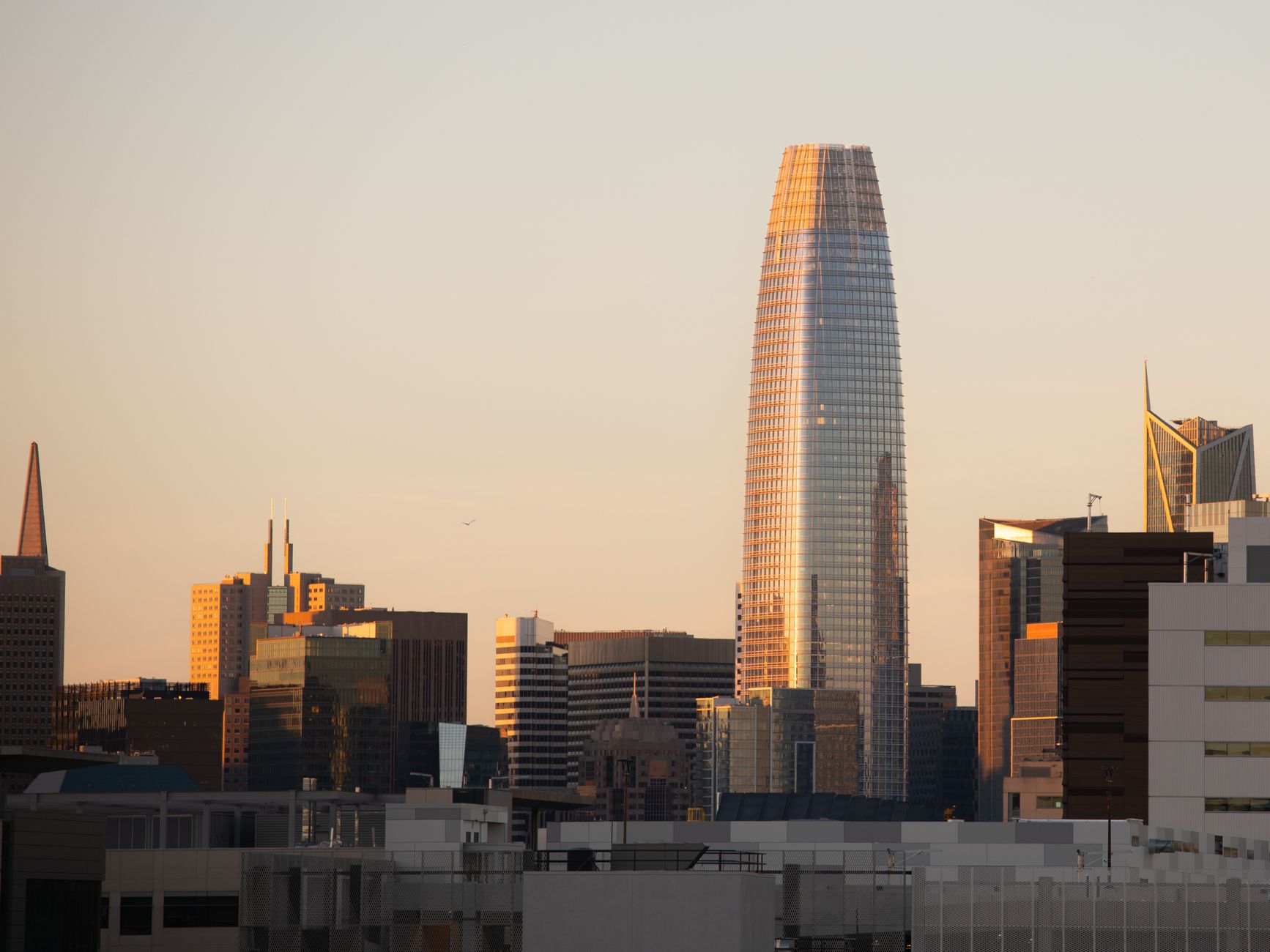
Salesforce fell on system outage fears ahead of its investor briefing. We break down the technicals, platform risk, and a defined-risk options trade.
When systems go dark, traders' imaginations go darker still. CRM stock dropped 2% as a Salesforce system outage rattled sentiment in the hours before the company's scheduled investor briefing — a collision of bad timing and crowd anxiety that produced exactly the kind of air pocket retail traders quietly root for.
The drop landed CRM at 250.60. Not a catastrophic number by any stretch — the stock spent much of the past year trading well below 200 and has been on a genuine recovery arc, sitting 71% above its 52-week low of 146.30. But the outage headlines arrived at the worst possible moment, when every alert feeds directly into the pre-event nerves that typically grip a stock in the hours before a major company presentation.
What the Salesforce System Outage Actually Means for the Stock
The outage question matters because platform reliability is the whole product for Salesforce. Enterprise software companies don't sell widgets — they sell trust. When a CRM system goes down, it doesn't just inconvenience users; it threatens the renewal conversation, and renewals are the engine underneath Salesforce's recurring-revenue model.
That said, there's a meaningful difference between a one-day incident and a structural deterioration. One outage, no matter how visible, rarely moves the needle on an enterprise contract. Buyers in this segment have short memories for service interruptions when switching costs are high — and Salesforce's switching costs are legendary. WDAY's recent beat-and-guide-down showed how enterprise software can punish even good numbers, but the punishment there came from guidance, not operational hiccups. The distinction matters.
The real question is whether Tuesday's outage was isolated or symptomatic. If the investor briefing includes any commentary on infrastructure investment, reliability improvements, or AI-platform scaling costs, the outage context becomes a lens investors will use to read every word of it.
Does a Salesforce Outage Signal Deeper Platform Risk for Investors?
Short answer: not from one incident. Longer answer: it depends entirely on what the company says next.
Salesforce has been investing heavily in Agentforce — its AI-agent layer — and scaling that kind of infrastructure is genuinely hard. Outages during periods of rapid architectural change are not unusual. Whether the market treats this as growing pains or a warning sign hinges on management's tone at the briefing. A confident acknowledgment and a clear remediation timeline will likely close the conversation. A vague deflection could reopen it.
The stock's technical picture doesn't suggest the market has decided this is a serious problem. CRM is trading above both its 50-day moving average at 203.90 and its 200-day at 201.50 — dual support that held through the entire recovery from last year's 146.30 low. The session's volume was conspicuously thin: 3.9 million shares against a 20-day average of 16.6 million, roughly one-fifth of normal participation. Light-volume selling is rarely conviction selling. It reads more like anxious positioning ahead of the briefing than any genuine reassessment of the business.
Is CRM Stock a Buy After the Salesforce Outage?
This is where behavioral context matters more than the outage itself. The setup has a classic fear-driven-dip-into-catalyst shape: a stock in an established uptrend, temporarily spooked by an operational headline, sitting below resistance with a hard news event directly ahead.
The nearest resistance the desk is watching is 268.30 — the recent 45-session ceiling and a hair from the 52-week peak at 269.10. CRM closed at 250.60, leaving a 7% gap between here and a retest of that range high if the briefing delivers. Structural support sits near 155.20, but that level is so far removed from current pricing it functions more as a historical anchor than a near-term reference point.
The five-session gain of 2.6% before Tuesday's drop tells you buyers had been active and engaged. A single-session dip on thin volume didn't alter the trend structure. What it did was hand late arrivals an optically better entry into the same catalyst that earlier buyers had already been positioned for.
How Microsoft absorbed similar fear-driven selling and held its AI premium is worth keeping in mind here. The pattern of AI-adjacent enterprise names selling off on non-fundamental headlines, then recovering quickly once the noise clears, has repeated enough times this cycle to be a recognisable feature of the market rather than an anomaly.
What Is the Salesforce Investor Briefing Date in 2026?
The Salesforce investor briefing is scheduled for today — which collapses the uncertainty window into hours rather than weeks. That's the structural edge of this particular setup: the outage created a sentiment air pocket right in front of a scheduled resolution event. By the time the briefing closes, CRM will have repriced around whatever guidance, AI monetization commentary, and infrastructure narrative management chooses to frame.
This is also why the setup carries an expiration stamp. The window to fade the outage panic cleanly exists only until the briefing resolves the uncertainty.
How Do You Trade a Bull Call Spread on CRM Stock?
For traders who want defined risk in front of a binary catalyst, a bull call spread is the structural fit. The mechanics: buy a call near the money, around the 250–252 strike range given Tuesday's close, and sell a higher call against it — somewhere around 265 to 268 — to offset the premium outlay. The short leg caps the upside but also caps the cost, which is exactly the discipline required when fading a fear move into a news event. The aim isn't to swing for a breakout; it's a measured bet that the outage headline gets superseded by the substance of the briefing.
The thesis invalidation level matters as much as the spread structure. If CRM loses the 240 area and holds there into the close following the briefing, the assumption that buyers would step in on reassuring news has failed. That's the level where the position warrants reassessment. Map the trade live on Traderise AI-connected charts to see where the current session sits relative to those levels in real time.
The broader macro backdrop adds texture worth noting. Traders are simultaneously navigating a Fed rate decision — markets leaning toward the first hike in years, equity indexes showing mixed signals — which could amplify or dampen the post-briefing move. It doesn't change the underlying CRM setup, but it does mean the stock isn't moving in a vacuum today.
What to watch: whether CRM can reclaim and hold the 260 area on improving volume following the briefing — a level that, if cleared and sustained, would mark a higher low within the existing recovery and put the resistance cluster near 268.30 squarely back in the conversation.