Another Gun Retailer Bankruptcy as the Ammo Boom Goes Cold
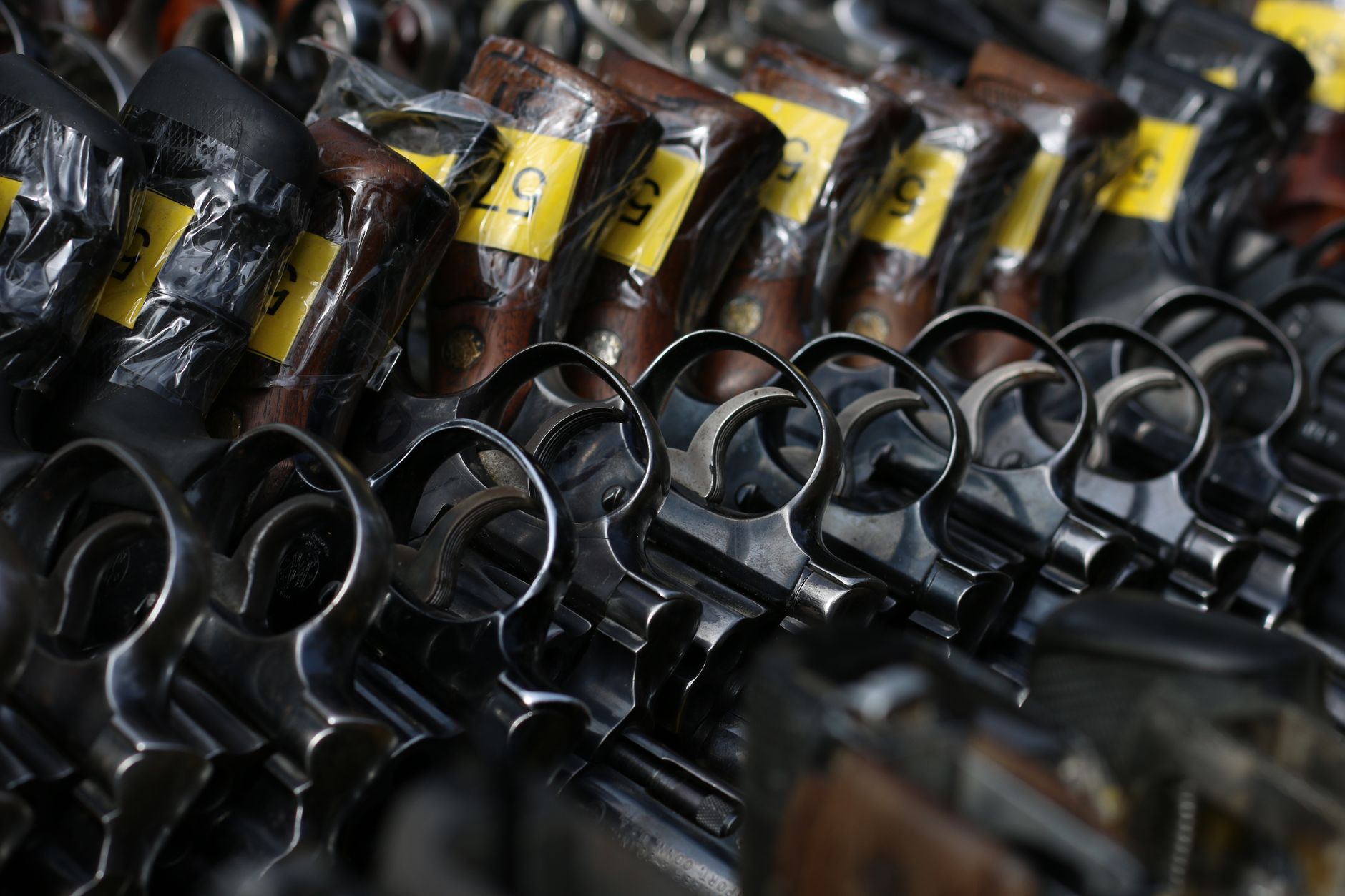
A firearms retailer files Chapter 11 as gun sales decline in 2026. What it means for gift cards, layaway customers, and the industry outlook.
The pandemic gun rush is over. A major firearms retailer has filed for Chapter 11 protection, and the gun retailer bankruptcy isn't a shock — it's been telegraphed for months by falling NICS checks, bloated inventory, and a consumer who finally stopped panic-buying.
The chart was clear. Background check volume peaked hard in 2020 and 2021. It's been rolling over ever since. Retailers who expanded into that wave are now getting caught on the wrong side of the mean reversion.
Why Are Gun Sales Dropping in 2026?
This isn't complicated. The demand spike from 2020 through 2022 pulled forward years of purchases. First-time buyers bought. Existing owners bought more. Inventory flew off shelves. Retailers ordered heavy. Manufacturers ramped production.
Then the political urgency faded. No sweeping federal legislation materialized. The threat-driven buyer — the one who stocks up when Washington gets loud — pulled back. And the recreational shooter? Squeezed by inflation and still-elevated borrowing costs, they got selective.
The gun sales decline 2026 is visible in the NICS data. Monthly background checks have been running well below their pandemic-era peaks. Dealers who locked in expensive leases and built out big-box floor space during the boom are now staring at overhead they cannot cover.
Add in competition from online dealers and large sporting goods chains with superior buying power, and the math for a mid-tier retailer gets ugly fast.
Which Gun Retailers Have Filed for Bankruptcy?
The firearms retailer Chapter 11 filing puts this company alongside a growing list of casualties from the post-pandemic normalization. Sportsman's Warehouse has faced sustained pressure. Smaller regional chains have been quietly liquidating for the better part of two years.
The pattern is consistent: retailers who over-leveraged into the 2020-2021 boom, signed long leases, and failed to build the e-commerce infrastructure that lets them compete on price are the ones hitting the wall first.
This isn't the last filing. Watch for more gun store closing bankruptcy announcements as the second half of 2026 plays out. Retailers with tight balance sheets and heavy fixed costs are already in conversations with restructuring advisors. The ones you haven't heard about yet are the ones to watch.
What Happens to Layaway and Gift Cards When a Gun Store Files Chapter 11?
Here's where it gets practical. Chapter 11 is reorganization, not liquidation — so the story isn't necessarily over. But customers with layaway balances and gift cards need to pay attention right now.
In a Chapter 11, the retailer can continue operating while it negotiates a restructuring plan. Gift cards may still be honored during that period. But if the case converts to Chapter 7 — full liquidation — gift card holders become unsecured creditors. That means they stand in line behind secured lenders and employees. Recovery rates are typically pennies on the dollar, if anything at all.
Layaway customers have a slightly better position if the merchandise is identifiable and hasn't been commingled with general inventory. The move is simple: if you have a layaway balance at a retailer in Chapter 11, go to the store. Now. Work out what you can. Don't wait for a plan to be confirmed.
The Traderise news desk has been tracking retail sector stress across consumer discretionary — firearms retail is one of several verticals showing elevated distress signals right now.
Gun Retailer Bankruptcy: Is This a Structural Decline?
The firearms industry downturn is real, but the framing matters. The industry isn't dying. Guns are still being bought and sold. Manufacturers like Smith & Wesson (SWBI) and Sturm Ruger (RGR) have faced revenue pressure, but these aren't existential stories.
What's dying is the over-expanded retail layer that built itself on a demand cycle that was never going to hold. The gun retailer going out of business wave is a story about retail overcapacity meeting a normalized demand environment. It happens in every sector after a boom — housing, crypto, EVs. The cycle is the same every time.
The retailers that survive this shakeout will be the ones with lean operations, genuine e-commerce, and loyal local customer bases that aren't purely price-driven. The ones running on volume and hope are the ones filing.
September is historically the weakest month for equities, and today's tape is reflecting that. S&P 500 futures are soft after a record August, inflation data is creeping back into the conversation, and credit markets are getting twitchy with oil climbing sharply on Hormuz tanker reports. That's not a backdrop that helps distressed retailers get restructuring deals done quickly or cheaply.
If you're screening for retail sector stress, Traderise's market screener gives you the tools to filter by sector, debt load, and short interest — the combination that tends to flag these situations before the filing hits the tape.
The read here is straightforward. This isn't a political story. It's a classic post-boom inventory and leverage story. The retailers who survive will be smaller, leaner, and better positioned for a normalized market. The ones who over-extended won't.
The chart already told you this was coming.