MGY Doubles Profits and Raises the Permian Stakes
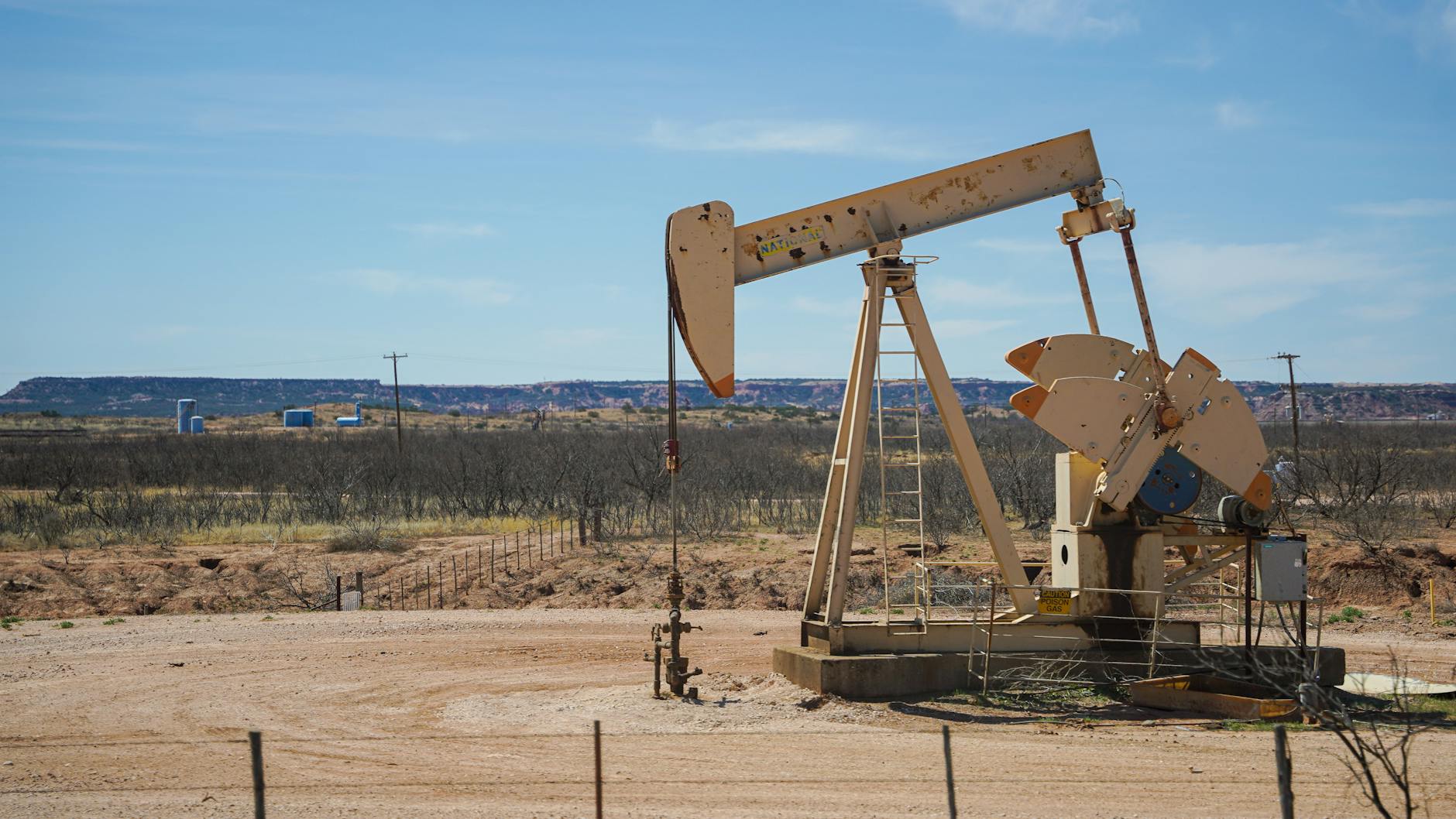
Magnolia Oil & Gas doubled Q2 2026 profits and raised Permian capex. A rigorous beat-and-spend breakdown with two options strategies for energy traders.
What this means for the cycle is straightforward, if uncomfortable: Magnolia Oil & Gas just handed the market a textbook beat-and-spend quarter — the kind that compresses the analytical work of six months into a single afternoon and forces every energy trader to answer a question they weren't quite ready for. MGY stock earnings 2026 landed with profits that doubled year-over-year, accompanied by a fresh capex commitment to the Permian Basin that signals management has decided this is the moment to press. Whether that confidence is well-placed depends almost entirely on where you believe we are in the crude cycle — and that, right now, is genuinely contested territory.
The numbers themselves are not ambiguous. Net income roughly doubled against the year-ago period, driven by a combination of higher crude realizations and a cost structure that remains genuinely lean by Permian small-cap standards. The company's mix has shifted meaningfully toward oil over the past eighteen months, which matters when the strip is running above the levels most operators built their 2026 budgets around. That mix shift is not an accident — it reflects deliberate capital allocation decisions made when gas prices were doing nobody any favors. Credit where it's due.
MGY Stock Earnings 2026: Structural Gain or Cyclical Gift?
The honest answer is both, in proportions that matter enormously for how you size a position. The oil-weighted mix shift is structural. The cost discipline is structural. The crude price tailwind that amplified both of those into a profit doubling is cyclical, full stop.
Crude has been sensitive to the Iran/OPEC headline cycle all year, and anyone trading energy without an Iran trade playbook on their desk is operating with incomplete information. Strip prices at the time of reporting support MGY's economics comfortably, but the forward curve is not the same thing as a locked-in result. If crude softens 10–12% from current levels — a scenario that is not outlandish given the demand uncertainty embedded in the rates environment — the profit profile compresses meaningfully, even if the structural improvements hold.
The small-cap Permian operators that survive cycle turns are typically the ones with the lowest breakeven costs and the most disciplined allocation of free cash flow. Magnolia Oil & Gas Q2 2026 results suggest the company sits in that cohort. The new capex commitment, however, is the variable that changes the math.
Is MGY's Permian Expansion a Growth Catalyst or Capital Risk?
This is the right question, and the answer hinges on timing. When a management team announces fresh spending in the same breath as a strong quarter, the market tends to price in optimism before the wells are drilled. That's the oil stock beat-and-raise trade that has burned momentum buyers in prior cycles — 2018 and 2022 both offered vivid examples of Permian small-cap euphoria that unwound when strip prices normalized.
MGY's expansion into additional Permian acreage has genuine compounding potential if crude holds. The basin's geology is well-understood, the infrastructure is in place, and the company's execution track record is creditable. The risk is not the acreage — it's the timing of the capital commitment relative to where we are in the macro cycle. The Fed's posture on rates remains the anchor for the entire energy equity complex; higher-for-longer is not friendly to capital-intensive businesses that are effectively borrowing against a commodity price they cannot control.
The AI infrastructure buildout reshaping gas field economics is a separate tailwind worth monitoring for energy names broadly, but it does not rescue a poorly-timed capex cycle. MGY's management knows this. The question is whether the market is pricing the risk appropriately or has decided the beat was sufficient to award a full vote of confidence.
Did Magnolia Oil and Gas Raise Guidance for 2026?
The company offered updated production targets consistent with the capex increase, which the market will read as a de facto raise — volume guidance up, spending up, implied price assumption held roughly flat. That is a reasonable framing if you believe strip prices are sticky. It is a more complicated story if the macro backdrop deteriorates through Q3, which a jobs market already showing stress and 7% mortgage rates sitting on the consumer's chest makes at least plausible.
Formal EPS guidance revision was not the centerpiece of the print; the capex commitment was. That tells you something about where management's conviction is concentrated. They are betting on volume and cost, not on a higher price assumption — the more defensible posture, and one worth noting in a small-cap energy context where many peers are still anchored to aggressive deck prices.
Is MGY Stock a Buy After Q2 2026 Earnings?
The Magnolia Oil & Gas Q2 2026 results make the bull case legible: structural cost advantage, oil-weighted mix, credible Permian acreage, a demonstrated willingness to return capital. For a small-cap energy name in 2026, that is a respectable hand.
The bear case is that the stock is being priced post-earnings for a cycle that may already be past its cleanest moment. Chasing an energy name after a profit doubling, when crude is trading where it is and the macro headwinds are documented, requires a clear-eyed view of your exit. Neither posture is obviously wrong, which is precisely why the options market is worth examining before committing to a direction.
What Options Strategy Works Best After an Oil Stock Earnings Beat?
Two profiles, two structures — keep it simple. MGY options strategy analysis starts with defining which camp you occupy.
For the momentum buyer who believes the capex cycle compounds and crude holds: a defined-risk bull put spread — sell the at-the-money put, buy a lower strike — collects premium while limiting downside if the thesis is wrong. You are getting paid to own the stock at a discount to where it's currently trading. The risk is a crude break that takes MGY through the lower strike; that outcome forecloses the premium entirely and then some. Size accordingly.
For the skeptic who thinks the beat is fully priced and the capex risk is underappreciated: a covered-call income play on existing shares — write slightly out-of-the-money calls against a long stock position — caps upside but generates yield while you wait to see whether the capex story earns its keep. It is the energy equivalent of a measured position: not short the name, but not paying up for optionality you don't think the setup warrants. Screen energy setups live on Traderise to identify the strike levels that make each structure work at current implied volatility, which tends to remain elevated for several sessions after a significant earnings print.
Neither structure is a forecast. Both are risk management frameworks built around a genuinely uncertain outcome — which is an honest description of where MGY sits after this print, and of where the crude cycle sits right now.