MTSI Stock: The Outlier Holding While Chip Leaders Stall
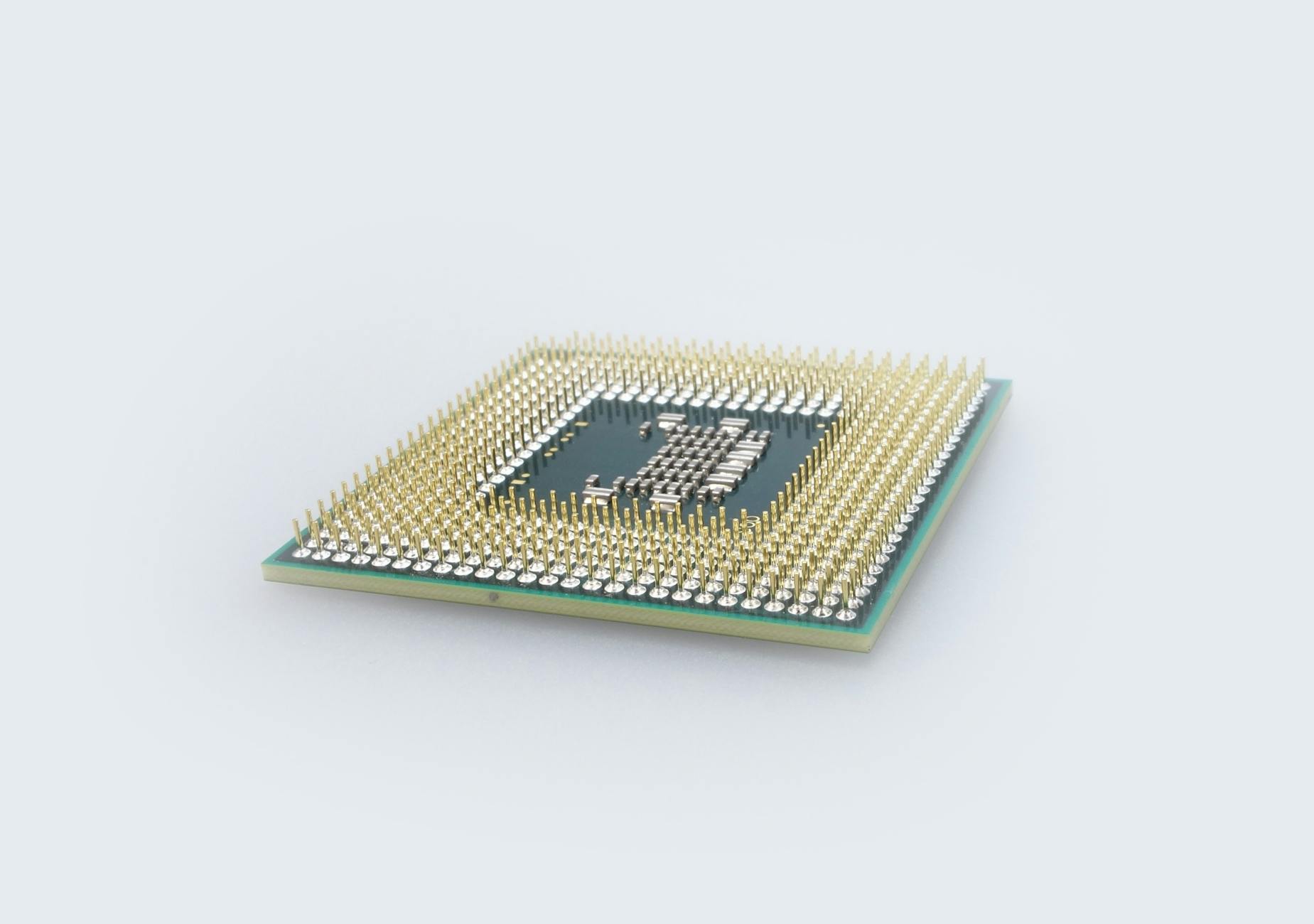
MACOM Technology holds relative strength while the SOX stalls. How to trade MTSI stock using a bull call spread near the 200-day moving average.
The SOX index just hit a wall. AMD is under pressure. Micron faces consumer-cycle headwinds. And the 10-year Treasury yield is pressing back toward levels not seen in nearly 19 years — a macro backdrop that punishes rate-sensitive growth names. In that environment, MTSI stock is doing something most chip names cannot manage right now: it is quietly outperforming.
That divergence matters. When a mid-cap name holds ground while its sector peers slide, that relative strength is information — and it tends to precede either a sharp catchup trade or a well-defined breakout.
Recent analyst notes single out MACOM Technology specifically as a standout while the rest of the semiconductor space appears to have hit a ceiling during the current rebound. For a name that retail traders routinely overlook in favor of mega-cap semis, that kind of spotlight is rare.
What Sectors Does MACOM Technology Serve?
MACOM's revenue mix is the core of the thesis. The company is not a consumer-cycle play, which is precisely why the headwinds battering AMD and MU are less relevant here.
MACOM derives meaningful revenue from defense and aerospace RF semiconductors — a segment insulated from consumer spending weakness and the inventory correction that has pressured many chip names. Defense procurement cycles run on multi-year government budgets, not quarterly consumer sentiment data.
The company also has exposure to data-center optical interconnects, a segment tied to AI infrastructure build-out. And its telecom infrastructure business adds a third revenue stream with its own independent demand drivers.
That three-way diversification is unusual in the semiconductor sector. It creates a natural buffer when consumer-facing chip stocks are getting compressed — which is exactly the environment we are navigating today. For context on how other niche chip names with structural moats trade during similar sector rotations, the piece on ASML: The Chip Monopoly the Market Left Behind is worth reading.
Is MTSI Stock a Buy Right Now?
That depends entirely on your risk framework, but the setup is structured enough to analyze clearly.
The macro backdrop is genuinely complicated. Rate hike expectations have resurfaced, and benchmark Treasury yields are pressing toward multi-decade highs. Equity indexes broadly slipped as yields rose. That is a headwind for growth valuations across the board.
Within that headwind, MTSI's defense-revenue backstop is a relative advantage. When rate-sensitive growth names are under pressure, revenue streams tied to government contract cycles look more stable on a relative basis. That is not a guarantee of upside — it is a structural reason why the stock can hold or gain ground while peers sell off.
The 200-day moving average is the technical line in focus. MTSI is trading in proximity to that level, and the way a stock handles its 200-day during a sector pullback says something about the underlying demand structure. A hold near that level in the current chip-sector environment reads differently than a hold during a broad market rally.
Absolute conviction calls are not the job here. The job is identifying when the risk-reward is structured clearly enough to take a defined position. Right now, for traders who follow semiconductor sector rotation, MTSI qualifies.
How Do You Trade Chip Sector Rotation With Options?
The core principle in a sector rotation trade is capturing the divergence without taking naked directional risk. When one name outperforms its sector, you want exposure to that relative strength — but you also want a defined loss if the sector ceiling reasserts itself and the outlier gets pulled down with everything else.
That is where options structures become useful. Buying outright calls gives upside exposure but puts full premium at risk if the broader chip ceiling holds. A spread structure changes that calculus.
The optical interconnect names offer a useful comparison. When COHR and Lumentum topped the S&P 500 on Fed hike day, traders who had taken defined-risk positions in those names via spreads participated without full exposure to the subsequent vol reset.
Chip sector relative strength setups reward disciplined position sizing. A mid-cap name like MTSI is less liquid than AMD or NVDA, which means slippage matters more and sizing down is the right instinct. Know the net debit before you enter. Size to the loss, not the potential gain.
What Is a Bull Call Spread Near the 200-Day Moving Average?
A bull call spread is two legs: buy a call at or near the current price — using the 200-day moving average as the reference level — and sell a higher-strike call at your target. The sold call funds part of the premium on the bought call, which reduces your net debit and defines your maximum loss.
The logic near the 200-day runs as follows. That level is widely watched, and a stock holding above it after a test has demonstrated demand at a technically significant price. The bull call spread allows a trader to position for a continuation move while keeping the loss finite if the level fails and the broader SOX ceiling holds.
Maximum gain is the difference between the two strikes, minus the net debit paid. Maximum loss is that net debit — nothing more. That defined-loss profile is what makes this structure appropriate for a mid-cap outlier trade in a sector that is otherwise under pressure.
Expiration selection matters. Give the trade enough time to develop. A spread expiring in three to four weeks is typically too short for a MACOM Technology thesis to play out. Six to eight weeks is a more workable window for a sector rotation idea of this type.
For traders who want to screen for other chip names showing similar relative strength setups, Traderise's market screener allows filtering by technical criteria including moving average proximity and sector-relative performance.
The defined-risk structure does not make position sizing irrelevant — it makes your worst-case loss knowable before you enter. That is the repeatable discipline: size to the loss, give the trade room to develop, and let the relative strength thesis either prove itself or fail cleanly.