Russia Opens the Floodgates for Bitcoin Exchange Trading
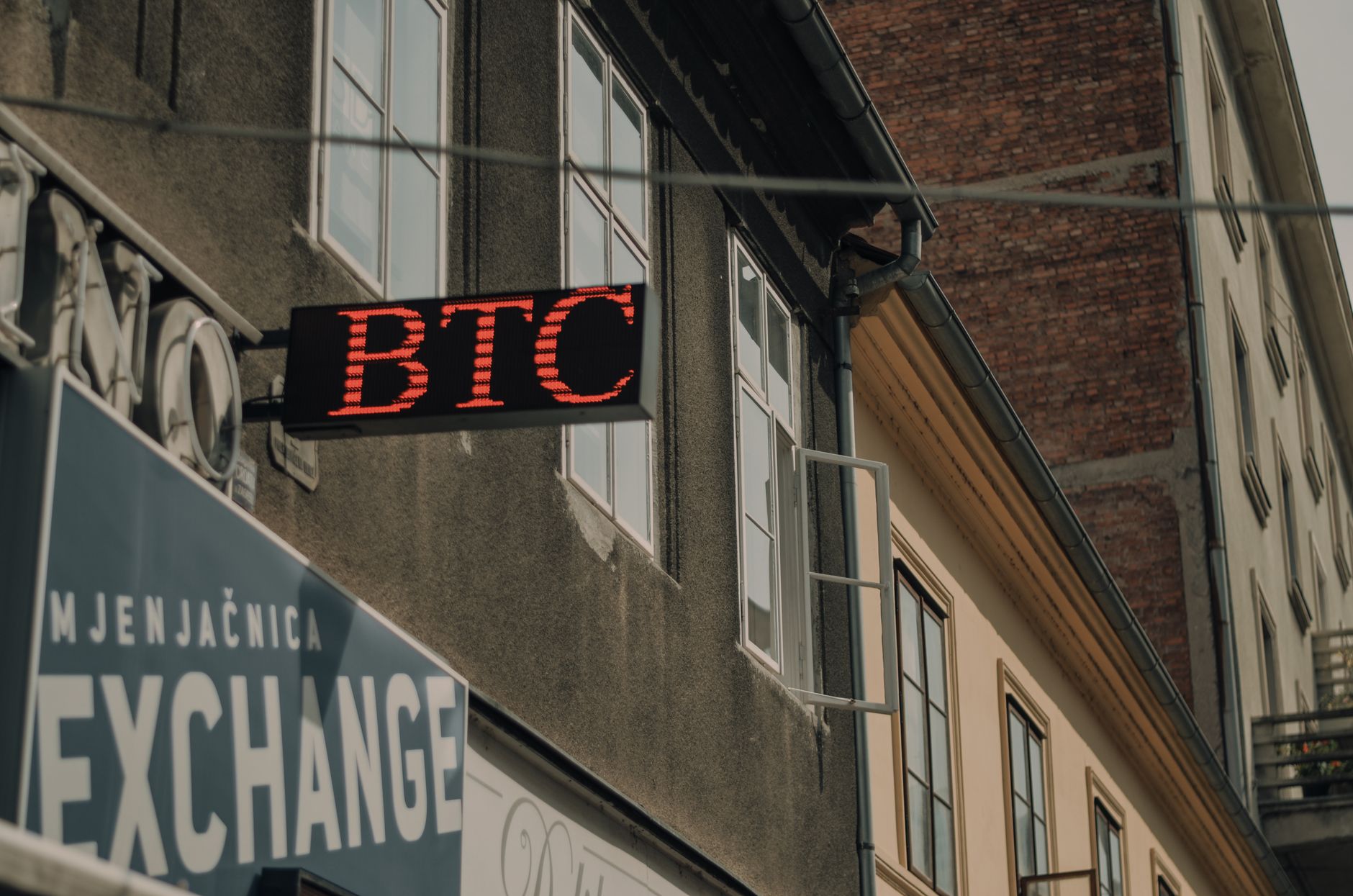
Russia legalizes BTC, ETH, and USDT on state exchanges. What it means for spot demand, USDT's reserve role, and which on-chain metrics to watch.
Russia Bitcoin Exchange: The Structural Shift Everyone Missed
The announcement landed quietly between an AI earnings rally and the tentative reopening of the Strait of Hormuz, which is exactly the kind of news cycle that buries the stories that actually matter. Russia has formally authorized trading in Bitcoin, Ether, and Tether on state-sanctioned exchanges — and if you are still treating this as a political headline rather than a demand story, you are reading the wrong chart.
This is not a rumor or a trial balloon. It is a structural change to who has legal access to the Russia Bitcoin exchange ecosystem, and it arrives at the exact moment global risk appetite is warming. The S&P 500 closed higher on AI optimism. Hormuz looks like it is reopening. Cathie Wood just dropped $16 million into semiconductors. The macro mood is tilting toward risk-on, and into that window walks one of the world's largest latent retail crypto populations with a formal on-ramp.
The timing is not coincidental. It is consequential.
Is Bitcoin Trading Now Legal in Russia?
The short answer is yes, now with official government blessing. Russia's relationship with crypto has always been complicated — a nation that simultaneously mined enormous quantities of Bitcoin while restricting its use as a payment instrument. For years, Russian retail traders operated through grey markets, peer-to-peer platforms, and offshore exchanges in a regulatory grey zone that was tolerated but never truly legalized.
What has changed is formalization. State-sanctioned exchanges can now offer BTC, ETH, and USDT trading to Russian citizens. That shifts billions of rubles that were quietly flowing through P2P channels into regulated, reportable, tracked venues. The government gets visibility. Traders get protections. And the market gets volume it did not officially have before.
The Russia crypto trading legal 2026 story is less about ideology and more about pragmatism. Sanctions pushed Russia to build parallel financial infrastructure, and crypto — particularly dollar-pegged stablecoins — turned out to be too useful to keep in the shadows indefinitely.
Will Russian Crypto Exchange Volume Push BTC Price Higher?
Here is where crowd psychology gets interesting. When a new cohort of buyers gets formal access to a market, you do not just get new buyers — you get buyers who were previously suppressed. They have been watching Bitcoin's price action through frosted glass, moving money carefully, absorbing friction costs. Remove the friction, and you get a release.
The precise scale is hard to quantify. Chainalysis has consistently ranked Russia among the top countries for raw crypto transaction volume, even through years of regulatory ambiguity. Routing that activity through BTC ETH USDT Russia exchange infrastructure rather than P2P grey markets does not create new demand from nothing — but it does make that demand visible and, critically, it lowers the cost and risk of participation for the next wave of retail.
The behavioral pattern here is familiar. When South Korea formalized its crypto trading environment, domestic volume surged and the Kimchi premium became a real arbitrage signal that traders watched closely. Russia's population is larger, its savings are substantially dollarized already, and USDT in particular fills a genuine need that Western observers sometimes underestimate.
Whether this translates into sustained Bitcoin demand drivers 2026 depends on the exchange infrastructure actually functioning — and on whether Russian retail traders trust it. Institutional memory of capital controls is long in Moscow.
Why Is USDT Becoming a Reserve Currency in Sanctioned Countries?
This is the thread worth pulling. Tether's inclusion in Russia's authorized trading list is not an afterthought — it is arguably the most significant part of the announcement for anyone thinking about USDT's long-term role in global finance.
When a country faces sanctions severe enough to complicate dollar access through traditional banking, a dollar-pegged token on a blockchain is a remarkably elegant workaround. You keep the stability of the dollar peg while removing the dependency on SWIFT, correspondent banking, or any institution that can be pressured by outside governments. Iran, Venezuela, and now Russia have all demonstrated USDT reserve currency sanctioned economies dynamics in different ways. The demand for dollar exposure without dollar infrastructure is not going away.
This is not a fringe use case. This is structurally baked into how a meaningful portion of global trade and savings is being conducted, and it has real implications for Tether's balance sheet, for the supply of USDT in circulation, and for what happens to that supply if geopolitical conditions shift. It is worth keeping the crypto contagion risk checklist close here. Concentrated USDT flows through newly regulated Russian venues introduce counterparty and compliance risks that are real and worth monitoring.
Which On-Chain Metrics Show Russian Bitcoin Buying Activity?
This is the practical question, and the honest answer is that it gets complicated when volume migrates from P2P to exchanges.
Historically, Russia crypto on-chain volume has been difficult to isolate precisely because P2P flows are intentionally opaque. When that activity routes to state-sanctioned platforms, you should start seeing a few things shift. Watch net exchange inflows to Russian-registered venues specifically. Watch the geographic clustering of new wallet creation — blockchain analytics firms like Chainalysis and Nansen provide this kind of attribution at the country level. And watch USDT minting velocity, since new regulated demand from a major economy tends to show up in Tether's issuance data within weeks of the catalyst.
The Hyperliquid RWA volume crossing $25B is a useful adjacent reference point — regulated and semi-regulated venues are absorbing volume at scale across the board, and the on-chain signatures are becoming easier to read as the data matures.
The metric I would anchor to first: stablecoin dominance on Russian exchange pairs. If USDT/RUB and USDT/BTC pairs start generating significant volume on the authorized venues, you will see it in order book data before the analytical firms publish their retrospectives.
The Macro Context Does Not Hurt
Markets are feeling constructive right now. Hormuz optimism is reducing the tail-risk premium on energy. CoreWeave and Nebius are giving AI bulls fresh ammunition. The general mood is that the worst scenarios are becoming less likely, which historically correlates with capital rotating toward higher-beta assets — crypto included.
Russia's formalization of BTC, ETH, and USDT trading landing into this specific window is the kind of confluence that people who study behavioral economics find meaningful. Multiple demand catalysts arriving simultaneously, into a market already leaning risk-on, tend to produce moves that surprise even people who saw them coming.
None of this is a prediction. Markets surprise everyone. But the structural picture has genuinely changed, and it is worth taking seriously rather than waiting for the second-derivative analysis to land in an academic paper six months from now.
Track crypto markets live on Traderise to follow volume and sentiment as Russian flows begin routing through official channels — the signals should become readable in the data well before they become obvious in the price.