Solar Stocks 2026: The Tipping Point Nobody Priced In
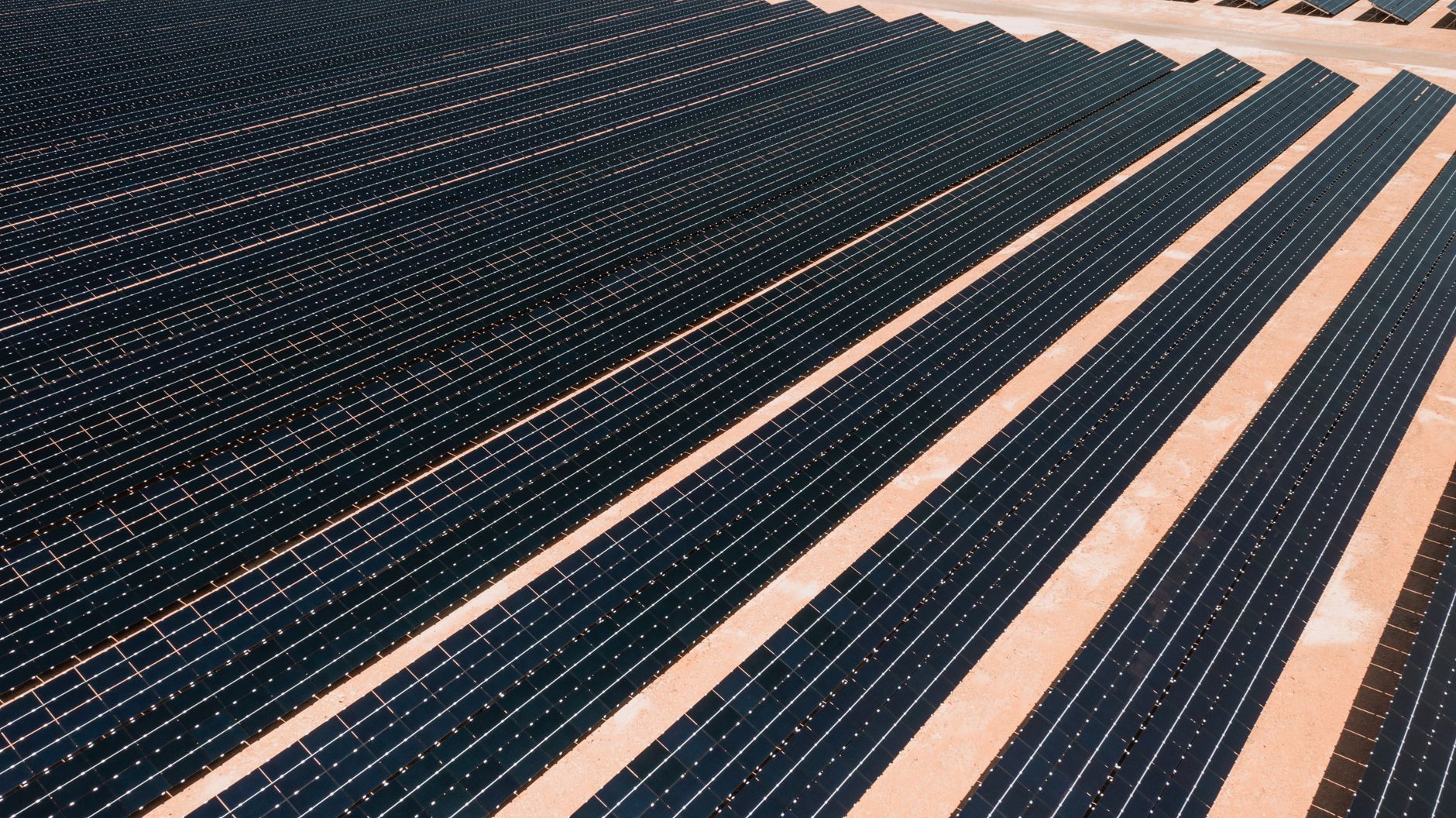
Solar has crossed the economic tipping point. A macro framework for trading FSLR, ENPH and TAN ETF in a higher-for-longer rate environment in 2026.
What this means for the cycle is straightforward, if uncomfortable to sit with: when a new energy technology crosses the point where it costs less to build than to keep running existing fossil generation — not cheaper than new coal, but cheaper than operating coal plants already in the ground — the investment calculus changes category entirely. It stops being a policy trade and becomes a cost trade. Solar stocks 2026 are now priced at the intersection of that structural inflection and a rate environment that remains, against most seasonal expectations, stubbornly restrictive.
Kevin Warsh's Jackson Hole remarks shifted fed funds futures meaningfully toward a hike this week, pushing equity risk premiums higher across long-duration assets. Solar, with its front-loaded capital costs and back-loaded cash flows, belongs firmly in that bucket. That tension — structural tailwind, cyclical headwind — is exactly where the trade lives.
Is Solar Energy Finally Profitable Without Subsidies?
The honest answer, for the first time, is largely yes. The levelized cost of energy for new utility-scale solar has now fallen below the operating cost of existing coal capacity in most major markets. This is the threshold researchers have discussed for a decade and markets have repeatedly mispriced as a future event rather than a present one.
The Iran war premium adding an estimated $330 billion to the global energy import bill makes the comparison even more favorable on a risk-adjusted basis: fossil fuel supply is geopolitically expensive in a way that sunlight simply is not. Renewable energy tipping point investing has historically attracted capital too early or too late; the question now is whether this time the signal is genuine.
The structural shift de-risks long-term revenue for developers and manufacturers with fixed-cost advantages. It also creates a separate problem. When solar panels become commodities competing on price alone, margins compress even as volumes grow. The tipping point that validates the bull case simultaneously activates the bear case, depending entirely on where in the value chain you sit.
Why Is FSLR Outperforming Other Solar Stocks?
First Solar's domestic manufacturing base is the answer, and it is not subtle. Every serious FSLR analysis in 2026 returns to the same structural moat: the company produces cadmium telluride panels in Ohio and Arizona, positioning it on the right side of both the current tariff regime and the Inflation Reduction Act's domestic content bonus credits. While Chinese panel manufacturers drive down average selling prices globally, First Solar is partially insulated by design. Its thin-film technology draws on entirely different supply chains — no polysilicon exposure, which is the commodity most subject to deflationary pressure.
In a higher-for-longer rate environment, FSLR's contracted revenue backlog and domestic cost structure provide the earnings visibility that justifies a compression in discount rate sensitivity. It is the closest thing solar has to a fortress balance sheet play right now. The analogy that keeps coming to mind is GE Vernova's position in gas turbines: dominant supplier in a structurally constrained market, with pricing power that competitors cannot easily replicate. The AI Trade That Isn't Chips: GE Vernova Stock explores a parallel dynamic in infrastructure that maps usefully onto what First Solar is doing in panels.
ENPH and the Bear Case
ENPH stock outlook 2026 is the harder conversation. Enphase's micro-inverter business is excellent technology operating in a deteriorating pricing environment. Residential solar installations — Enphase's primary market — are far more rate-sensitive than utility-scale development, because homeowners finance systems on credit. When rates stay elevated and consumer credit growth begins to decelerate from its recent pace, the homeowner who might have leased a rooftop system in 2022 simply delays the decision. That is margin pressure arriving from two directions at once: volume headwinds and commodity pricing competition from string inverter alternatives gaining share on cost.
SolarEdge belongs in its own category of distress. The restructuring is ongoing, the timeline to normalized margins remains unclear, and the stock is not yet a recovery trade — it is a survival narrative. Those require a different kind of patience than most retail accounts are set up to provide.
Solar Stocks 2026: Is TAN ETF a Good Buy?
The answer depends entirely on what problem you are trying to solve. TAN — the Invesco Solar ETF — holds roughly 40 names across the value chain, which means it captures the solar energy sector rotation thesis without forcing a choice between FSLR's domestic manufacturing moat and ENPH's rate-sensitive residential exposure. The diversification is simultaneously the feature and the limitation.
On a risk-adjusted basis, TAN suits investors who believe the LCOE inflection is structural but want protection against single-name margin blow-ups. The ETF's current weighting skews toward names with utility-scale and manufacturing exposure, meaning it leans toward the bull case more than a naive read of its ticker might suggest. It is not a clean hedge against residential weakness, but it is not full-spectrum exposure to that risk either.
The nuclear and power infrastructure trade carries a similar logic. Brookfield Just Told You Where the Nuclear Trade Is is worth reading alongside this piece: both sectors are benefiting from energy security concerns elevated by the Iran premium, but they carry meaningfully different rate sensitivities and regulatory timelines.
What Is the Best Defined-Risk Options Play on Solar Stocks?
For traders thinking about solar exposure without committing to a directional bet on a single name's margin trajectory, a TAN ETF options structure offers a useful analytical framework. A January 2027 bull call spread — buying the at-the-money call and selling a call roughly 15% above current levels — caps the upside but limits the maximum loss to the net premium paid. In a higher-for-longer environment where rate surprises remain asymmetric to the upside, defining downside to a known dollar amount is more valuable than the theoretical upside of an uncapped long.
The spread structure benefits from any improvement in rate expectations without requiring a specific catalyst to work. If the utility capex cycle that analysts are forecasting for late 2026 materializes on schedule, TAN's underlying names should rerate comfortably within that 15% band. If rates move against the position, the loss is defined on day one. As with any options position, the structure suits some accounts and not others — the value is in the framework, not the precise strike.
Follow the trade on Traderise AI-connected charts to set price alerts at TAN's key technical levels and model the spread structure against your own account size before committing capital.
The structural case for solar is no longer speculative. The rate case is still real. The trade, as it almost always is at genuine inflection points, is in distinguishing which names have already priced the optimism and which have not.